Your discount will be automatically applied when you purchase a paid plan.
See what's new in the age of AI powered restaurant technology
Compare OpenTable's US plan and cover fees, work through a made-up monthly bill, and check booking sources and invoice lines before choosing a plan.
Read Blog
Compare guest profiles, POS customer records and event sales tools, then test imports, duplicate records, staff access and exports before choosing a CRM.
Compare OSPOS, Odoo's restaurant module and ERPNext's POS scope, then check support, payment hardware, kitchen tickets and backup recovery before choosing.
What voice AI vendors' own privacy policies and terms say about recording, keeping and training on guest audio, what recording law says, and what to ask.
Where AI helps a bar: pour and inventory variance, calls about hours and events, private-event inquiries and promos within alcohol ad rules, with prices.
What AI forecasting tools predict, the data they use, which vendors print a price, and a simple error check to run on your own sales before you buy.
What AI invoice scanning, counts, pars and recipe costing do, printed prices from MarketMan, MarginEdge and meez, and the invoice count where they pay off.
A weekly routine for AI-drafted review replies: what Google and Yelp ask of owners, tools that draft replies, templates by review type and what to leave out.
What SkyTab's kitchen display costs, how Shift4 says to set it up, route tickets and time items, what keeps working offline, and a test list.
What a fine-dining room needs from a POS (coursing, seats, tableside payment, splits, tip pools, reservations, wine) and what seven vendors print.
What a restaurant group needs from a POS (shared menus, local prices, group reports, store permissions, rollout) and what six vendors print.
Clover and SkyTab, now Shift4 Dine, compared from their own pages: bundles, card rates, handhelds, kitchen screens, contracts and a worked month.
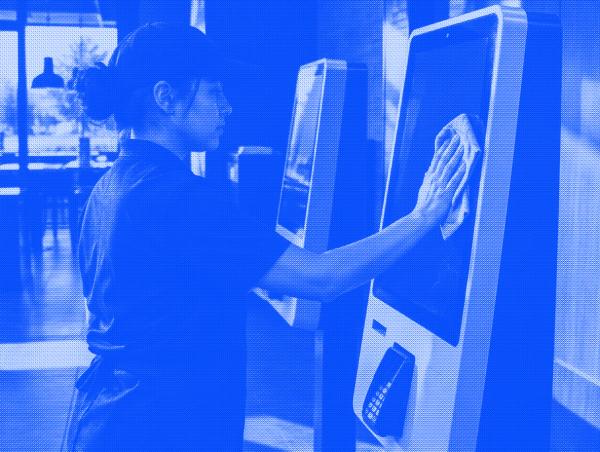
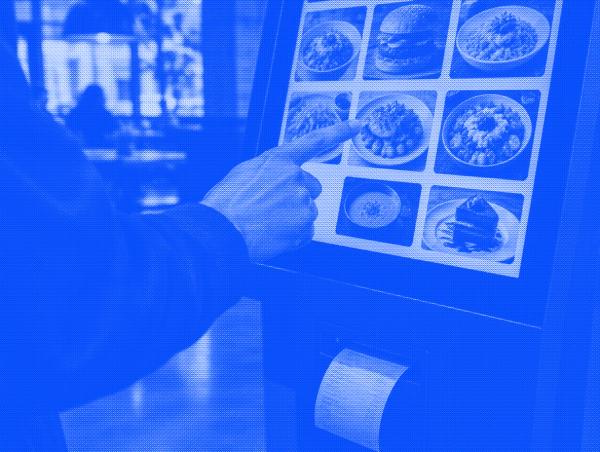
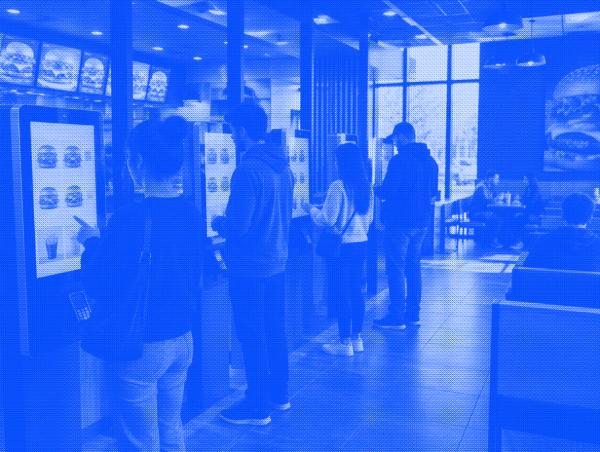
How to clean a self-order kiosk the way Toast, Clover, Elo and Apple say, check the card reader for tampering, keep the printer running, and log it.
Tock, now sold through Resy, prints flat plans with a fee on prepayments. OpenTable bills covers from its network. Plans, fees, data terms and a worked month.
Whether a delivery-only or virtual brand should take phone orders, one number per brand or one shared, what Google allows, POS routing and a test list.
Find your peak hours in POS sales by hour, set people per position from covers per hour, stagger starts, place breaks, cross-train and decide when to cut.
Build a restaurant tech budget line by line, from POS and card fees to phones and AI, with a worked monthly budget from vendors' printed prices.
Seven guest experience numbers a restaurant can count from systems it already runs, how to count each one, and a weekly review sheet.
Work out average check and per-person average, see how party size and takeout mix distort them, what chain 10-Ks report, and ways to raise it.
Work out food cost percentage from stock counts and food sales, cost one plate, and see what federal price data and chain 10-Ks say moves it.
What the Clover Kitchen Display System costs per screen, which plans and mounts it needs, how orders reach it, how it runs offline, and a test list.
How Toast KDS is priced, which screens run it, how routing and fire-by-prep-time work, what it does offline, and a test list for your first shift.
What Global Payments prints for Heartland's restaurant POS, now Genius: the $0 offer, its contract terms, cash discount rules and a worked month.
Compare waitlist apps and guest pagers at their printed prices, see how text-back waitlists work, and test yours before a busy night.
Which states need every caller to agree before a restaurant records a call, what a recorded notice does, and what to ask about AI phone agents.
The software a one-truck owner can use for location posts, pre-orders, bookings, stock and staff, with printed prices and an order to set it up in.
Which restaurant marketing jobs to give AI, which to keep, what the tools print as prices, and what the FTC's fake review rule and Google's policy allow.
What AI scheduling tools from 7shifts, Homebase, Toast and Square do and cost, which fair workweek laws reach restaurants, and a four-week trial plan.
Google Voice for a restaurant, from Google's pages: plan prices, ring groups, auto attendant, queues, voicemail transcripts, and phone, 911 and porting limits.
Example restaurant on-hold and queue messages, how long to make them, hold music licensing, and settings on Ooma, RingCentral, Google Voice and Grasshopper.
Count your restaurant's calls from the phone log and POS: missed calls, 15-minute peaks, phone orders per answered call and seasonal swings, with a worksheet.
Daily opening and closing checklists for the front, kitchen, bar and phone and online orders, with FDA Food Code rules and a sheet to print.
Upsell at the table, counter and phone with one priced offer, menu and POS prompts in Toast, Square and Clover, and an attach-rate test.
Prime cost is food and drink cost plus total labor. How to count each part, a worked month, and what IRS data and chain 10-Ks show.
What White Castle and SoundHound have said about Julia, the AI drive-thru order taker: dated claims, lane and store counts, how guests reach a person.
What CKE, Del Taco, Presto, OpenCity and Valyant AI have said about drive-thru AI at Carl's Jr., Hardee's and Del Taco, with dates, store counts and figures.
What Checkers & Rally's, Presto and Hi Auto have said about drive-thru AI since 2022: dated claims, store counts, vendor changes and what figures count.
DoorDash, Uber Eats and Grubhub commission plans as each prints them, what the fee covers, and one month of orders priced on every plan.
Terminals, handhelds, kitchen screens, printers, cash drawers and kiosks: what each does, the prices Square and Clover print, and a small-restaurant budget.
Stripe Terminal readers and in-person card rates from Stripe's own pages, why it needs a POS on top, and restaurant systems that name Stripe.
What Clover Go costs, what its app can and cannot do for a food truck or pop-up, its card rates and terms, from Clover's own US pages.
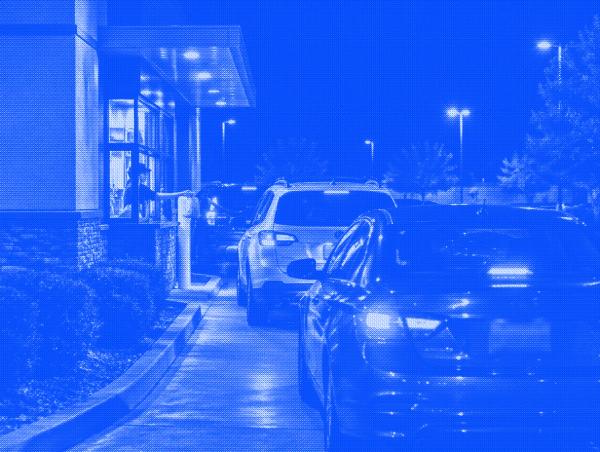
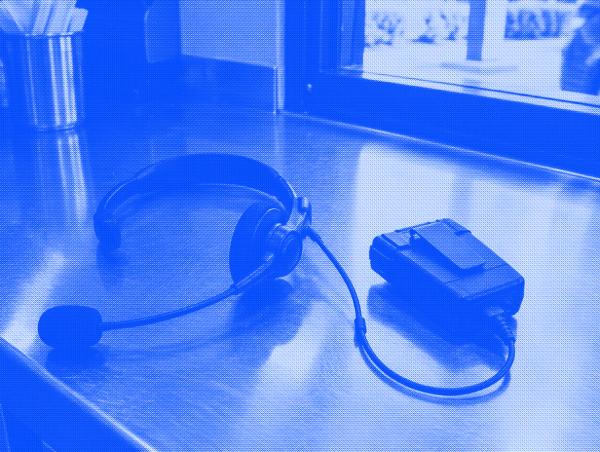
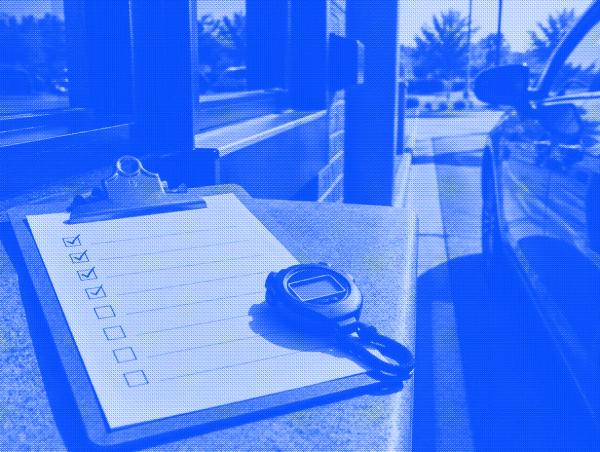
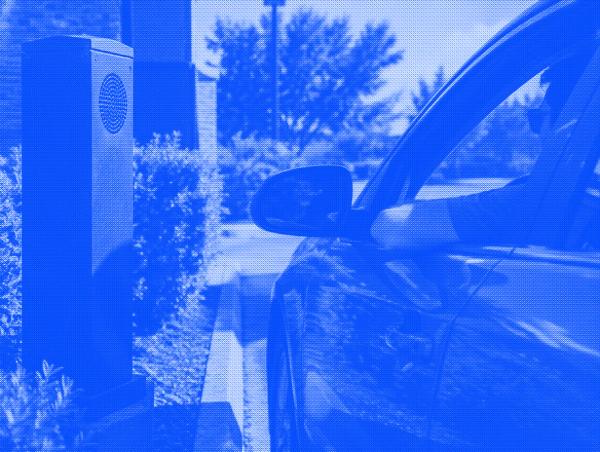
How to set up a POS for a drive-thru lane, station by station, from Toast and Square help pages, with the headset, timer and board links to check and a test.
What Chipotle, Chick-fil-A, Taco Bell, McDonald's and Wendy's say about mobile pickup lanes, how orders reach the kitchen, layouts and what to measure.
What Bojangles and Hi Auto have said about Bo-Linda, the AI drive-thru order taker: dated claims, store counts, Spanish ordering and what figures measure.
A register of US laws and rules that touch restaurant AI in 2026: bot disclosure, call recording, voiceprints, hiring and scheduling tools, AI voice calls.
Which laws touch AI disclosure, recording and voice data at the drive-thru, quoted with dates, what chains say, and sample greeting and sign wording.
When a restaurant outgrows Square's plans, how to export items, guests and sales, and how Toast, Clover, SpotOn, Lightspeed and HungerRush compare.
What leaving Toast involves under its merchant agreement and help center, from the exit fee to data and hardware, plus Square, Clover, SpotOn and others.
What Quo's Sona phone agent does and costs, how it differs from Sona's workforce software, and which restaurant phone agents to compare it with.
A dated checklist for moving a restaurant to a new POS: notice periods, data and gift card exports, stored cards, hardware, staff, go-live and tools.
Term, renewal, notice, exit fees, hardware, rate changes and processing rules, quoted from the Toast, Clover, Lightspeed, SpotOn and Square agreements.
What the Toast Go 3 handheld does, how Toast prices it, battery, Wi-Fi and cellular, and what works offline, from Toast's own pages and help center.
What Square KDS costs on Plus and Premium, which Android screens it runs on, how routing and ticket settings work, and the limits Square states.
Which tools take restaurant orders by text, how a text order reaches the POS, the consent and 10DLC rules for business texting, and a test plan.
Restaurant profit margins from IRS tax data and chain 10-K filings, each with its method and year, plus a worked P&L you can copy.
What Toast, Square and Clover charge per card payment, how much goes to the card's bank, the surcharge rules, and a worked month on labeled inputs.
How automatic speech recognition hears restaurant orders on phone lines and at order points, what word error rate measures, and how to test it.
What TouchBistro's iPad POS does for a restaurant, what it prints on price, what works offline, the terms you sign, and what to test in a demo.
Toast and TouchBistro compared on printed prices, card rates, hardware, offline limits and contract terms, with a worked month from each company's own pages.
Every price and fee TouchBistro prints, how its card processing and agreement work, and a worked month with labeled assumptions.
Toast and SkyTab, now Shift4 Dine, compared on printed prices, what needs a quote, handhelds, contracts and a worked month with labeled assumptions.
Toast and SpotOn compared on printed plans, card rates, hardware, contract and exit terms, with a break-even card rate on labeled assumptions.
Toast and Lightspeed Restaurant compared on printed plans, the Lightspeed Payments rule, contracts and outages, with a break-even card rate on labeled inputs.
Cut everyday no-shows with reminders guests can answer, easy cancelling, a waitlist and card holds on peak slots. Includes a tracking sheet and policy text.
Compare the card fees, commissions and staff time behind a phone order, your own online ordering and a marketplace order, with a worked $30 example.
How an automatic text after a missed call works for a restaurant, which phone tools send one, what to write, and the consent rules to check.
NCR Voyix prints no Aloha price. What to get quoted, what its public sales terms say, and a worked quote with labeled assumptions.
What Revel's iPad POS does, from its own help center: devices, kitchen screens, offline mode, online ordering, reports and multi-location tools.
Every fee Revel's help center prints, the statement fees it names without a price, its public terms, and a worked month with labeled assumptions.
Pay at pickup, a card typed into the POS, or a payment link: what Toast, Square and Clover charge for each, and PCI guidance on card numbers over the phone.
Cut phone order mistakes: required modifiers in the POS, a read-back from the screen, allergy notes that print, ticket settings to check and an error log.
Who answers the restaurant phone at peak: count your busiest 15 minutes, staff to it, set overflow and hold queues, and run callbacks when nobody can pick up.
A method for phone orders at peak: set up the station, hold callers the right way, key the order into the POS, read it back, quote a time and take payment.
SpotOn's restaurant plans, card rates, hardware, every add-on it prices, the terms you sign, and a two-year cost worked through with labeled assumptions.
Every SkyTab (now Shift4 Dine) fee Shift4 prints, the statement fees it names without a price, and a worked month with labeled assumptions.
Square and Lightspeed Restaurant compared on plan prices, card rates, the payments rule, contracts and offline limits, from each company's own US pages.
What Toast, Square, Clover, SpotOn, Lightspeed and Shift4 Dine keep doing offline, from their own help pages, and a plan for your next outage.
Work out your restaurant labor cost percentage from payroll and sales, with BLS pay data, a worked week and the changes that lower it.
Square Terminal or Square Handheld for a restaurant: price, printing, Wi-Fi and offline limits from Square's own pages, plus a dining-room setup.
What Clover Flex does in a restaurant, what it costs alone or in a restaurant bundle, and the terms to check, from Clover's own pages.
What QSR means, how the Census Bureau, BLS and IRS define limited-service and fast-food restaurants, and where fast casual and coffee shops fit.
How a drive-thru takes orders in Spanish and other languages: bilingual crew or AI, how chains switch language, Census household data and a lane test.
Example restaurant voicemail greetings for after hours, split shifts, holidays and busy service, plus how to schedule them and a call test.
Set a large-party policy: party-size limits, deposits or card holds, spending minimums, service charges, set menus and a confirmation checklist.
NCR Voyix's Aloha online ordering products, what each one does, the fees you set yourself, setup steps from NCR's guides, and how phone orders fit.
How SkyTab (now Shift4 Dine) Online Ordering works, which fees you set and which need a quote, setup steps from Shift4's help center, and what to test.
What SpotOn Order does, the two prices SpotOn prints for it, DoorDash Drive fees, setup steps from SpotOn's help center, and what to test first.
What a counter or drive-thru restaurant needs from a POS, what Square, Toast, Clover and SpotOn print, and what kiosks and kitchen screens add.
What a pizzeria needs from a POS for half-and-half toppings, delivery and phone orders, with HungerRush, Toast, Slice and Square compared from their own pages.
What a coffee shop needs from a POS for drink modifiers, speed, loyalty and mobile orders, with printed prices and card fees at a small average ticket.
What leaving Clover involves under its own FAQ, from the subscription to devices and data, plus Square, Toast, SpotOn, Lightspeed and others compared.
Kiosk only, cashier only or both: a decision table by order volume, menu and guest mix, plus a worksheet to size your counter at peak.
Break-even math for one kiosk in a single-store restaurant, built from Square's and Apple's printed prices with every assumption labeled.
A worksheet for testing a self-order kiosk in one restaurant: baseline weeks, test weeks, what to measure and the pass rules to write down first.
What chain filings, news reports and one field experiment found about kiosks and check size, with each source's method and limits.
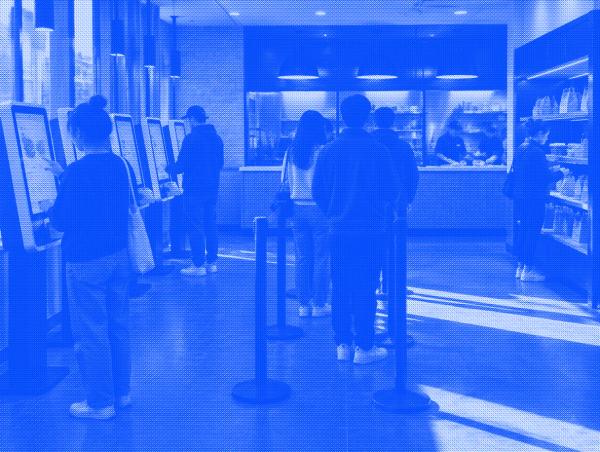
Where to place self-order kiosks in a restaurant, how to route the queue and pickup, the 2010 ADA Standards measurements that apply, and a layout checklist.
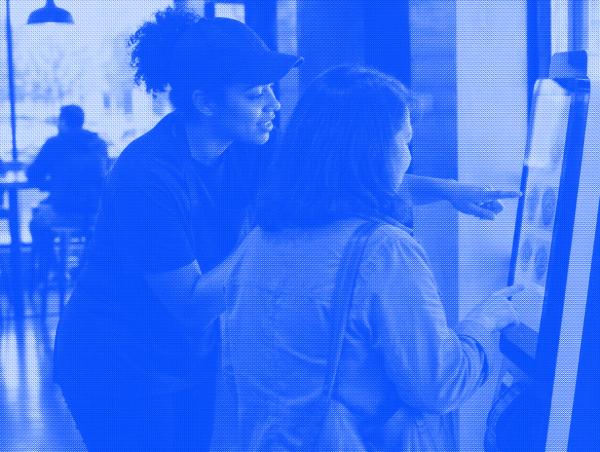
Where guests get stuck at restaurant kiosks (payment, modifiers, age checks, access needs), what staff can do on Toast and Square kiosks, and a help plan.
How restaurant kiosks offer other languages, how to find which languages your area speaks from Census data, and how to test a translated menu.
What a drive-thru order confirmation board shows, which errors it catches, makers' printed prices and the questions to ask before you buy.
When a drive-thru AI should pass one order to the crew, when to switch the whole lane off, what vendors describe, and a fallback plan to copy.
Why AI struggles to hear drive-thru orders (engine noise, wind, distance, accents, crosstalk), each term defined, and a lane test you can run.
The seven steps from a guest's words to a POS ticket (audio, speech to text, menu match, modifiers, read-back, POS, payment) and where each one fails.
What conversational AI is, the parts inside a restaurant phone, drive-thru, kiosk or chat agent, what each vendor term means, and where each part fails.
35 questions to take into any restaurant AI demo, grouped by data, POS, fallback, price and exit, with the answers that should make you pause.
What a restaurant group must settle before an AI rollout: menu sync, mixed POS setups, per-store reporting, rollout order and contract terms.
A starting order for one restaurant: count a week of hours per job, try free AI plans first, then trial one paid tool. Printed prices only.
Which add-on offers fit a drive-thru order, when to make them, example lines, and how to measure offer, take and attach rates from your own POS.
The drive-thru positions a rush needs by lane layout, when to add each one, a 15-minute staffing sheet, and labor cost per car from BLS wage data.
Where drive-thru order mistakes start, from the speaker to the handoff, what the 2025 study found, and a bag audit you can run in one lunch rush.
Work out drive-thru cars per hour from the seconds each car holds your speaker and windows, what a second order point adds, and where the time goes.
What Lightspeed Restaurant does well, what each plan adds, the agreement you sign, what its help center says stops working offline, and what to test.
What SpotOn does well for restaurants, its two printed plans priced at one station, the terms you sign, the site setup it asks for, and what to test.
What Square does well for restaurants, which plan each feature needs, the terms you accept, the offline limits in its help center, and what to test.
What Toast does well for restaurants, what it prints on price, the agreement you sign, the outage limits its help center lists, and what to test.
Most AI drive-thru vendors sell to chains. What a single store or small group can ask, fix first and test on one lane before it signs.
A dated history of McDonald's self-order kiosks from the company's own statements and major trade press, and what a smaller restaurant can take from it.
Buy, finance, lease or subscribe? Restaurant kiosk payment routes from Square, Toast, Clover and SpotOn's printed terms, with worked sums.
Lightspeed Restaurant's printed plans, add-ons, payments rules, hardware and contract terms, with a worked monthly cost using labeled assumptions.
HungerRush's printed base package, what it includes, what it quotes, and how to check its flat card rate against a printed benchmark.
What a one-location restaurant with a small team needs from a POS, the systems that print prices, first-year costs at low sales, and what you owe if you close.
Toast and Clover compared on plans, card rates, hardware, handhelds and contracts, using prices each prints on its own US site, plus a break-even rate sum.
No AI drive-thru vendor we checked prints a price. Budget from printed lane, install and POS prices, with a worked example and quote questions.
What vendor, chain and study figures for AI drive-thru orders count, what the SEC found about non-intervention, and a worksheet to check your own lane.
What SoundHound sells restaurants for phone, drive-thru and kiosk ordering, who it names, what its figures mean, and which vendors to compare it with.
What Presto Voice does, who Presto names as customers, what its figures count after the 2025 SEC order, and which drive-thru AI vendors to compare.
What kitchen food-safety tech does (temperature sensors, digital HACCP logs, hand scanners and cameras), what the 2026 FDA Food Code says, and what to test.
BLS turnover figures for restaurant and hotel jobs through July 2026, a worked turnover calculation, and steps operators can take this month.
Example phone scripts for restaurant staff: greeting, takeout order, reservation, hours, complaint and transfer, plus a 15-minute practice drill.
What a food truck needs from a POS (offline cards, battery, cellular, small devices) and what Square, Clover, Toast and Shift4 Dine print on price.
SkyTab is now Shift4 Dine. What its handhelds, kiosk, kitchen screens and online ordering do, what Shift4 prints on price, and what to test.
What Clover does well for restaurants, what it costs, the contract you sign and what to test, from Clover's own pages, help center and FAQ.
Toast's printed plans, card fees, hardware payment options and contract terms, with a worked monthly cost and how to read a Toast processing statement.
How the SkyTab self-order kiosk works under its new Shift4 Dine name: the hardware, setup steps, order and payment flow, limits, and what to ask for a quote.
Square's online ordering profile for restaurants: what it costs on each plan, courier fees, setup steps from Square's help center, and what to test first.
What commission-free online ordering still costs a restaurant: subscriptions, card fees, guest fees and courier fees, from each vendor's own pricing page.
How double drive-thru lanes work, why orders get mixed up at the merge, the headsets, timers and POS tags that help, and what chains have built.
How off-site drive-thru order taking works, what vendors say about remote agents behind their AI, and what to ask before the voice at your speaker leaves the building.
Find the slow stage of your drive-thru, then fix it. Actions for the queue, order point, window and kitchen, each tied to a timer measure.
Example drive-thru greetings and order-taking lines for crew and AI order-takers, recovery lines for common problems, and a 20-minute practice drill.
Practical uses of ChatGPT, Claude or Gemini for restaurant owners, with example prompts, what a person must check, and what to keep out of the chat.
The products sold as AI waiters and AI hosts, from QR menu assistants and table tablets to phone hosts and serving robots, with each vendor's own limits.
Dated cases where restaurant AI was paused, ended or drew complaints, from McDonald's and Presto to Starbucks, with a lesson for each and a launch checklist.
Leaving OpenTable, or weighing it before you sign? Printed prices for Resy, Yelp Guest Manager, Eat App and others, an invoice worksheet and a switching checklist.
What a restaurant reservation system does, the main options from OpenTable to Toast Tables with their printed prices, and a checklist for choosing one.
Resy prints flat monthly prices and says it charges no cover fees. OpenTable sells three plans and says it has 200+ partners. How to pick.
What POS, inventory, scheduling, payroll, reservation, ordering, phone and accounting software each do, and which to buy first for your restaurant.
The cost lines of a restaurant POS, with first-year and three-year totals for a café and a full-service restaurant from vendors' printed US prices.
How an AI drive-thru order gets from the speaker into your POS and kitchen, which POS makers name AI partners, and a test list to run before live cars.
What the ADA and federal agencies say about restaurant ordering kiosks, the ATM rules used as a benchmark, and a checklist for guests who cannot use a touchscreen.
Kiosks, QR code ordering and tabletop tablets compared from Square, Toast and Ziosk's own pages, with a decision table and a worksheet to pick one.
AI tools for restaurants sorted by job, from phones and drive-thru to scheduling, food costs and reviews, with printed prices and one test for each.
Where AI helps a coffee shop or café: phone orders, mobile ordering, drink modifiers, inventory, scheduling and loyalty, with named tools and a test plan.
Square and Clover compared on entry cost, card rates, phone and online orders, and contracts, using prices each prints on its own US site.
What Clover Online Ordering does, what it costs per order, the five setup steps from Clover's help center, and what to test before guests order.
What Toast Online Ordering does, what Toast prints about its fees, the setup steps from Toast's help center, and what to test before guests order.
Pick a pizza shop phone setup: count your Friday calls, work out lines and people, and compare hold boxes, pizza VoIP, answering services and AI.
What VoicePlug sells for phone, drive-thru, kiosk and reservations, what it has announced, and which voice AI vendors to compare it with.
Match a POS to how you serve, compare printed prices and contracts from Toast, Square, Clover and others, then run one demo script on each.
A restaurant POS takes the order, sends it to the kitchen, takes payment and records the sale. Its parts, links, key terms, and one order traced end to end.
Square's restaurant plans, card fees, hardware and add-on prices as Square prints them, with a worked monthly cost and questions to ask first.
A dated history of Wendy's FreshAI drive-thru ordering with Google Cloud, from the chain's own releases, blog and earnings calls, plus lessons for operators.
What ConverseNow sells for phone and drive-thru ordering, what it claims, and which phone and drive-thru vendors to compare it with, from their own sites.
What Hi Auto's drive-thru AI order taker does, who it names as customers, how it defines its own figures, and which vendors to compare it with.
What Owner.com sells, its two printed plans and fees, who it suits, and five online ordering alternatives priced from their own sites.
What Revmo sells, what its pricing page prints, and which restaurant phone agents to compare it with, taken from each company's own site.
How Square, Toast and Clover kiosks take cards, phone wallets, gift cards and cash, what happens offline, New York's cash law and a decision table.
How to set up a self-order kiosk menu guests can use alone: item names, modifier rules, photo sizes, upsell placement and a before-and-after example.
Bite, GRUBBRR, Tillster and Nextep compared from their own sites: the POS systems each names, hardware, cash, offline and what to ask for in a quote.
Pick restaurant phone lines, VoIP service, handsets and outage backup, with a decision table by restaurant type and a checklist to use before you buy.
The QSR technology stack by job, from POS and KDS to kiosks, drive-thru, online ordering, loyalty, labor and voice AI, with what to buy first by store type.
Run the stars, plowhorses, puzzles and dogs matrix on your own sales and plate costs, see what AI tools add, and follow a worked example and checklist.
Where a text chatbot helps a restaurant, where voice AI fits better, and how to choose from your own count of calls, messages and lane orders.
Set and check your restaurant's phone number on Google, Apple Maps, Yelp, DoorDash and Uber Eats, and know what to change when you forward calls.
A map of drive-thru technology, what each part does, what a single lane, a double lane and a chain run, and a worksheet for ordering upgrades.
Static, digital and hybrid drive-thru menu boards compared, with makers' printed prices, calorie rules, AI ordering checks and a test list.
What sits inside a drive-thru speaker post, how to fix echo, engine noise and low volume, who makes the parts, and what an AI order-taker changes.
What a bar needs from a POS (tabs, pre-auth, splits, ID checks, pour counts, tips, handhelds) and what six vendors publish for bar features and price.
What a kitchen display system does, how orders reach it, what Toast, Square, Clover, Lightspeed, Shift4 and Fresh KDS charge, and a mock-rush test.
Compare Toast and Square on plans, card rates, hardware, KDS, handhelds, offline mode and contracts, using each company's own pricing and terms pages.
Clover's restaurant bundles, card rates and contract terms as Clover prints them, with a worked monthly cost and questions to ask a bank or reseller.
Clover Kiosk pairs a 24-inch order screen with an 8-inch payment terminal and printer. Clover prints no price, so here is what it lists and what to ask.
Toast Kiosk runs on a Toast terminal in Kiosk Mode and sends orders to Toast POS. Toast prints no kiosk price, so here is what to ask for in a quote.
Square Kiosk hardware lists at $149, and the kiosk app costs $50 or $30 a month per device on top of a Square Plus or Premium plan.
What a voice ordering kiosk does, where speaking beats tapping, where it struggles, and a test plan for noise, modifiers, languages and privacy.
The cost lines of a restaurant self-order kiosk, the prices vendors publish, a worked two-kiosk example and the contract questions to ask.
How to choose a self-service kiosk for a counter-service restaurant: POS kiosks, independent kiosk software or a voice kiosk, plus a buyer checklist.
Where fast-food chains use AI for voice ordering, kitchen tasks, forecasting and upselling, with dated sources and what an independent can buy today.
What drive-thru timers measure, who makes them, how to read the numbers, a worksheet for timing cars by hand, and the latest published averages.
Compare AI drive-thru vendors from their own sites: channels, lane hardware, named POS and chain partners, pricing, and what to ask each one.
How Taco Bell's drive-thru voice AI grew from 100 to more than 890 U.S. restaurants, what it said after the 18,000 water cups prank, and lessons for operators.
A dated account of McDonald's AI drive-thru ordering, from the IBM test that ended in 2024 to the Archy voice system, and what operators can use.
A dated list of fast-food chains that have said AI takes drive-thru orders, with the vendor, latest public status and source for each.
Named restaurant robots and where they run, from fry stations to bowl lines and plate carriers, with dates, shutdowns and questions to ask before leasing.
A job-by-job guide to restaurant automation: the options that exist today, their effort and risk, and a scoring worksheet to pick your first project.
How drive-thru headset systems work, who makes them, wired vs wireless, and what to check before you add an AI order-taker to the lane.
A worksheet for testing AI ordering on one drive-thru lane: baseline measures, takeover tests, menu scripts and pass/fail rules to agree first.
How AI drive-thru ordering works from car arrival to POS ticket: the hardware, what the crew still does, where it fails, and what to ask a vendor.
How to split catering orders between AI and staff: what phone agents and catering tools can capture, the inquiry record, call wording and tests.
Set up a clear staff handoff for restaurant complaints, existing-order changes, and refund requests. Use a request record, fallback owner, and trial checklist.
Keep holiday opening times, order cutoffs, phone answers, and reopening dates consistent with a location-by-location change record and test checklist.
Build a menu worksheet with required choices, extra charges, sold-out rules, and an expected test ticket before trying a restaurant phone-ordering agent.
Separate an answering-service change from a phone-number transfer. Record account ownership, test the new service, and agree on the handoff before ending the old setup.
Build a location record and test phone numbers, menus, pickup addresses, staff transfers, and POS destinations before expanding restaurant phone ordering.
Decide which restaurant calls to forward, test transfers back to staff, and keep a clear route back to your previous phone setup.
Compare restaurant voice AI on similar item names, required choices, sold-out items, and the final kitchen ticket. Use a repeatable menu test before choosing a provider.
What Certus AI sells, the price its homepage prints, what to check before you sign, and which restaurant phone agents to compare it with.
Compare plan scope, published pricing, and the POS workflow to test before choosing a restaurant phone agent.
What Hostie sells, how its three plans differ, which booking and ordering systems it names, and which restaurant phone agents to compare it with.
Pick Maple if your order count would make a per-order fee add up and you want a flat month. Pick Bitebuddy if you want to pay per order, at $0 to $1.50 on its site.
Use Maple when the receptionist must take the order into your POS. Use Hostie when the same guest also writes on Instagram. Keep a person when the job is the door.
Choose the channel to test first by checking phone demand, lane operations, installation needs, staff fallback, and the full cost of a trial.
Pizza shops take more phone orders than almost any other restaurant, and miss the most during a rush. What an AI phone agent needs to handle pizza specifically, and what to check before buying.
Maple Pro takes phone orders into Toast, Square, Clover, SkyTab (now Shift4 Dine), Lightspeed and more, and books OpenTable tables. The list and what to test.
What restaurant AI answering services print as prices, how per-order and flat monthly billing compare at your volume, and what Maple charges.
Learn how Maple answers restaurant calls, captures orders, reduces missed revenue, and gives operators an AI phone system built for hospitality workflows.
Compare voice AI ordering platforms by phone, drive-thru, or both. Check POS workflows, menu rules, rollout scope, and total cost before choosing.
Compare restaurant voice AI by the calls it must complete. Review published product scope and use the same menu and handoff tests for each provider.
Compare ten voice AI options by what you buy, who builds the workflow, and who handles support. Includes a responsibility worksheet for buyers.
Compare mobile-ready voice AI platforms for automated call handling, with latency, integration, pricing, deployment speed, and use case insights.
Explore top mobile-friendly voice AI solutions for automated call handling, key features, deployment best practices, and criteria for platform selection.
Compare leading voice AI vendors for restaurants, key features like POS integration, order accuracy, automation models, and real-world deployment speed.
Compare top AI voice vendors for contact centers in 2026, with feature breakdowns, integration capabilities, and selection criteria by use case.
Explore how conversational AI voice assistants automate orders, save up to 80 staff hours monthly, and achieve 15% payroll reduction in restaurants.
Compare leading voice AI solution providers for after-hours restaurant order capture, detailing accuracy, pricing, integrations, and deployment options.
A 2026 guide for restaurants to set goals, map tech, pick cloud or on‑premise voice POS, and see top solutions such as Hostie AI and SoundHound.
Eight restaurant AI phone answering services compared from their own sites: POS orders, bookings, card payment on the call, printed prices and test calls.
Estimate the value of AI phone ordering using additional completed orders, contribution per order, staff time, and total cost. Then test the assumptions in a pilot.
Put AI on your restaurant phone in order: count calls, split them with staff, prepare the POS menu, set the greeting and handoff, test, then check month one.
Discover the top 7 benefits of Maple AI Voice Agent for enterprise restaurants. Capture every call, boost revenue, reduce labor strain, and scale across locations with secure POS integration.
Discover how much your restaurant could save with voice AI. Use Maple’s cost calculator to compare labor, errors, and missed calls—backed by real data.
Design a restaurant phone tree: how many options, what callers ask for, example menus, Ooma, Google Voice and RingCentral settings, and IVR versus AI.
What restaurant AI voice agents do on the phone, at the drive-thru and at a kiosk, what each needs from you, what they cost and how to test one.
Plan a useful add-on offer, test what reaches the kitchen, and measure completed sales before expanding AI phone upselling.
Loman lists quote-based Starter and Premium plans. Here is how to request a comparable restaurant phone-agent quote.
What Slang AI does, what its pricing page prints, how it compares with Maple for reservations and phone orders, and other options to shortlist.
Where AI handles restaurant reservations today: phone agents that book into OpenTable and others, AI booking channels, waitlists, and a test plan.
Cost a staff member answering your restaurant phone: BLS pay data, employer payroll taxes and a worked example, set against Maple Voice and Pro prices.
Where restaurants use AI today, task by task: phones, drive-thru, kiosks, online orders, scheduling, inventory, marketing and kitchen robots.
AI voice agents are on track to become restaurant essentials by 2026. Learn why adoption is accelerating—and what makes this shift both inevitable and strategic.
See hwo voice AI streamlines restaurant operations by automating phone orders and syncing directly with POS and KDS systems.
Compare Kea AI and Maple on phone ordering, published prices, reservations, and POS setup. Use the same menu and trial record to choose a fit for your restaurant.
How a phone order reaches your POS: menu sync, modifier rules, routing to printers and kitchen screens, payment, and the tests to run before launch.
BLS 2025 to 2035 job projections and AI exposure ratings for cooks, counter staff, servers, hosts and cashiers, and what they mean for scheduling and training.
The restaurant technology changes of late 2025 and 2026, each with a date and source: AI in the POS, phone and drive-thru voice AI, kiosks and pullbacks.
Work out what missed calls cost your restaurant from your call log and POS: callers who wanted to order, your phone ticket and what you keep per order.
How to answer restaurant calls in Spanish or another language: check Census data for your area, choose staff, a phone menu or AI, and test each language.